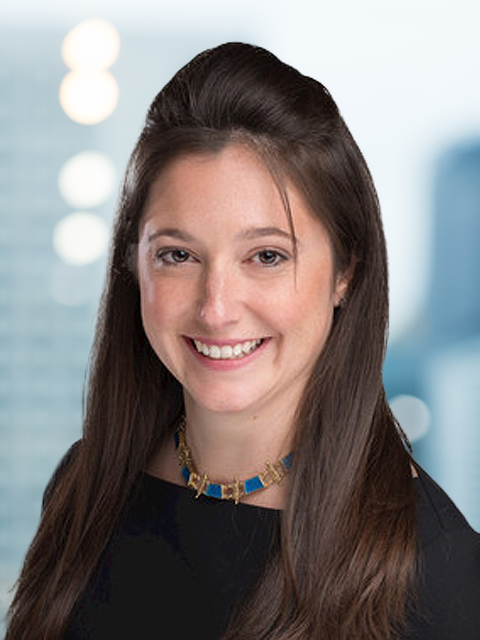
When considering a strategic planning meeting, it can be important to include various members of your team to ensure new ideas that can lead to greater business solutions. In this video, senior consultant Glenn Morley and consultant Katrina Whitehair dive into what the strategic planning process can look like, the benefits of including your team, and steps to implement it.
Video Transcript
Glenn Morley (GM): Hi, I’m Glenn Worley joined here today with Katrina Whitehair. We are both consultants with VMG Health and we welcome you to our discussion on strategic planning. Katrina, Can you share with us a little bit about the conversation we had earlier and strategic planning as sort of an inclusive event with staff?
Katrina Whitehair (KW): Absolutely. Thank you, Glenn. So, we find more and more today, it’s important to include all team members at all levels of your organization in that strategic planning. And what we get out of that is we learn from each other. You know, if you’re running a surgery center, you’re running a Med Spa., you’re running a dermatology office, people end up working in different silos in different places in the organization and may not understand what other people are doing, what other departments are doing. So, when we include everyone in that strategic planning, we also get to learn about other parts of the business and strategize with new fresh eyes from different people in the organization about other operating areas.
GM: Yeah, you know, the roots of strategic planning are very deep at VMG Health and until, I guess, about COVID we had an annual strategic planning meeting, and every single employee at VMG Health was included in that meeting. And it was fascinating to me when I first joined the VMG Health that some of the most interesting ideas evolved out of an initial comment or conversation, from someone in a different business unit. So, it was interesting, you know, fresh eyes, new perspective, and just sort of you know never, never entrenched in any certain way kind of thinking can just help us all turn the cube and look at things differently. And we always have come out of those meetings with just sort of excitement and energy and a shared sense of purpose. And for me, that’s one of the main reasons to have a strategic planning meeting.
KW: I couldn’t agree with you more, Glenn, and traditionally strategic planning we invite our key stakeholders, our owners, our department leaders, our supervisors, and more and more we’re including all staff. For this very reason, we’ve got fresh eyes. We’ve got fresh ideas, and it creates inclusivity and excitement about who we are and where we’re going, and how we’re going to get there.
GM: Yeah, yep. Have you, tell me a little bit about your experience in having strategic planning meetings and maybe an organization that wants to have a two-part meeting, maybe senior leaders and owners. For the end of the meeting and the entire group at the beginning of the meeting. Do you think that has a place for many practices?
KW: Absolutely, Glenn, I think that’s a great way to start a meeting is start with everyone at the table, and we can start talking about our SWOT. What are our, you know, strengths and weaknesses? What are our external opportunities and threats? And have everyone involved in that idea-making in that strategy, and then later divide off into a leadership meeting to really hone in on a strategic plan and create those tactics that we’re going to implement across the board later.
GM: Yeah, I think you’re right, you know, out of a group-think around SWOT. I think that that’s where we can tease out ideas that are, you know, potentially taboo on a small team. But when you’re broken out into different groups, and its sort of a free-for-all all, if you will, of, you know blue sky thinking then that’s where I see the, you know the kernel of weakness really articulated. And that’s where an able facilitator can sort of shine light on opportunities and reposition a weakness that may make a team, member, or group feel vulnerable reposition it as an opportunity. to differentiate an opportunity to solve a problem, and, you know, create a solution that’s sustainable. So I you know, I think that part of the issue when people are afraid to raise their hand when they’re afraid to make a comment, sometimes it’s just time, you know, we don’t have time to slow down and bring forward problems and potentially layered solutions. And so, carving out carving out the time is part of you know, the reason that those things don’t happen. But I also think that there’s sort of this culture of politeness in a lot of organizations. Do you know what I mean when I say that?
KW: Yes, I absolutely do, Glenn. We don’t really speak our whole truth. When we take that time to pause and to reflect, oh, you know our day-to-day we’re in the weeds, we’re in the day-to-day operations, we’re not thinking strategically. We’re thinking about the tasks and the fire drills in front of us, and getting through the day. When we take time to pause and reflect and include everyone’s opinions that politeness lightens up.
GM: We can still be polite, but we can be sort of authentic and truthful.
KW: I love it. I love it.
GM: I actually, I’ll never forget an incredibly talented, leader, administrative Leader in the middle of a strategic planning meeting, when just this sort of energy was presenting itself, she came up with this great idea as an opportunity. You know, the identified weakness was, we’re not very good at self-examination, we’re not very good at pointing out our flaws. But the fact that we know that is a strength. And so, let’s put this together and create sort of a monthly big idea award. And anybody can win this award. But big ideas come out of problems. Big ideas come out of weaknesses often and so it was a real “Aha” moment for the entire practice. I would go so far as to say a cultural change happened in that organization in that moment when you know the senior leader basically said “We got, we can’t be afraid of our problems. We need to lean in and embrace the solutions that are sustainable” So, that was pretty cool.
Talk to me a little bit about strategic implementation plans. So, you funnel all these ideas that come out of strategic planning meeting into a strategic implementation plan. What helps organizations get off the mark and remain accountable to that plan a month, two months, six months down the road after the meeting happens?
KW: Sure, right, Glenn, we don’t want to lose the momentum created that excitement we’ve created that bond across the team and we’ve got to work the plan. We have to get back to work. So, having a memorialized plan that includes the tactics that we’ve uncovered to meet those strategic goals. We can start to work them down, assign them to specific people, assign specific dates, and they may be small tasks, they may be big projects, but when we have a memorialized plan we can visualize the progress as we start working on it and keep that momentum. Keep that excitement up. What else would you add to that, Glen?
GM: Well, you know I think that you’re spot on it has to, you know, for anything to happen. There has to be ownership and accountability. And so, you know, ideally, that’s not all falling to one person. And I know that you’ve heard this before in organizations when sort of overwhelmed administrators or managers sort of communicate “It all comes back to me. It all falls on my shoulders.” And so, another opportunity, when you know we are at that point in a strategic planning meeting. And we’re creating that implementation plan. I think it’s an opportunity for everyone in the leadership team to own the outcome on the future. You know, the results of the plan. And it’s a good opportunity to hold feet to the fire and essentially, as a facilitator Communicate. You know a lot of stuff has to happen, let’s break it down into smaller components and specific people that will own or be point on specific tasks. And then it’s really, you know, who should be that person. What’s your talent? What’s your big talent? What’s your expertise? What’s your experience? And you know, are you the right person for this point position? So, I think that you know the agreement of how we’re going to follow up. Who’s going to? Who’s going to own certain elements of that plan? And as you, said the timeline. It’s all critical.
KW: I agree, Glenn, and that way we’re not having just the administrator or the operating manager be the one responsible person. This strategic plan is created by the team, and therefore the team is responsible. And when we break down the to-do’s invite-sized piece then that accountability is also shared through every team member. So, the burden is not on one person, and we’re all aligned on our goals in our plan, and we all have individual roles within that. And like you, said Glenn, we want to use people at their highest and best use. So, we want to make sure we have the right people working on the right tasks.
GM: So, how often do you think we you know or, how often do you think an organization should schedule strategic planning. Is it a monthly thing, an annual thing?
KW: That’s a great question, Glenn. I think. Strategic planning can happen annually, and we can make a plan for the year. We can make a plan for three years. And you know, we want to revisit that plan in a year and see where we are. And if we’ve created a two Year Plan, then maybe we do strategic planning every two years. I don’t think it happens monthly. I think the working of the plan is visited monthly, but I think the strategic planning happens at most annually. Would you agree, Glenn?
GM: I would agree. I think, that there, you know, a lot of times new things come up midyear. And so, you know, sometimes their strategy meetings, but not necessarily a full on strategic plan with an entire team. I do work with a few practices that carve out sacred time biannually and even quarterly for the full team to come together. And those are, those are, you know, opportunities for training development, leadership and just making sure that you know that the pencil is sharp, and that we’re all focused on the same goals. We’re all tracking towards the same outcomes. And you know, out of that comes renewed energy and focus.
So, I love just having carved out time to make sure we’re all, you know, kind of coming together as needed but, I think you’re right. Strategic planning is typically an annual event for most organizations I work with. So, just sort of in summary, Katrina, when we are thinking in terms of strategic planning for an organization that has never done it before. Can you give some tips on how you organize for strategic planning what the pre-work looks like? So that you’re coming to the meeting with just an understanding of who we are today what we have accomplished over a certain period in the past, and just kind of bringing together information so that we’re starting off our futuristic discussion with enough information to feel well informed.
KW: That’s a great question, Glenn. I think initially, we want to learn as much about the organizational history and their maturation and meet them where they are today, whether they’ve been open for one year, or they’ve been open for 10 or 20 years. But we want to understand how we got here today. We want to look at historical financial data. We want to look at historical marketing. Any historical productivity. You know, we want to look at the metrics, the numbers we want to look at the team. And we want to look at the organizational history as a whole. So have that basis coming into the strategic planning meeting. Cause we want to have an idea of what our goals are before we start that planning meeting. We want to have had some pre-work meetings to talk about, what are our overarching goals, so that that can inform our strategy.
GM: I love it well lots to think about, and for anybody that’s tuning in. I hope that you’ll reach out to us at VMG Health if you would like help in developing a strategic planning meeting, or you’d like some assistance with a facilitator for a strategic planning meeting.
KW: Thank you so much for tuning in today. Take care.