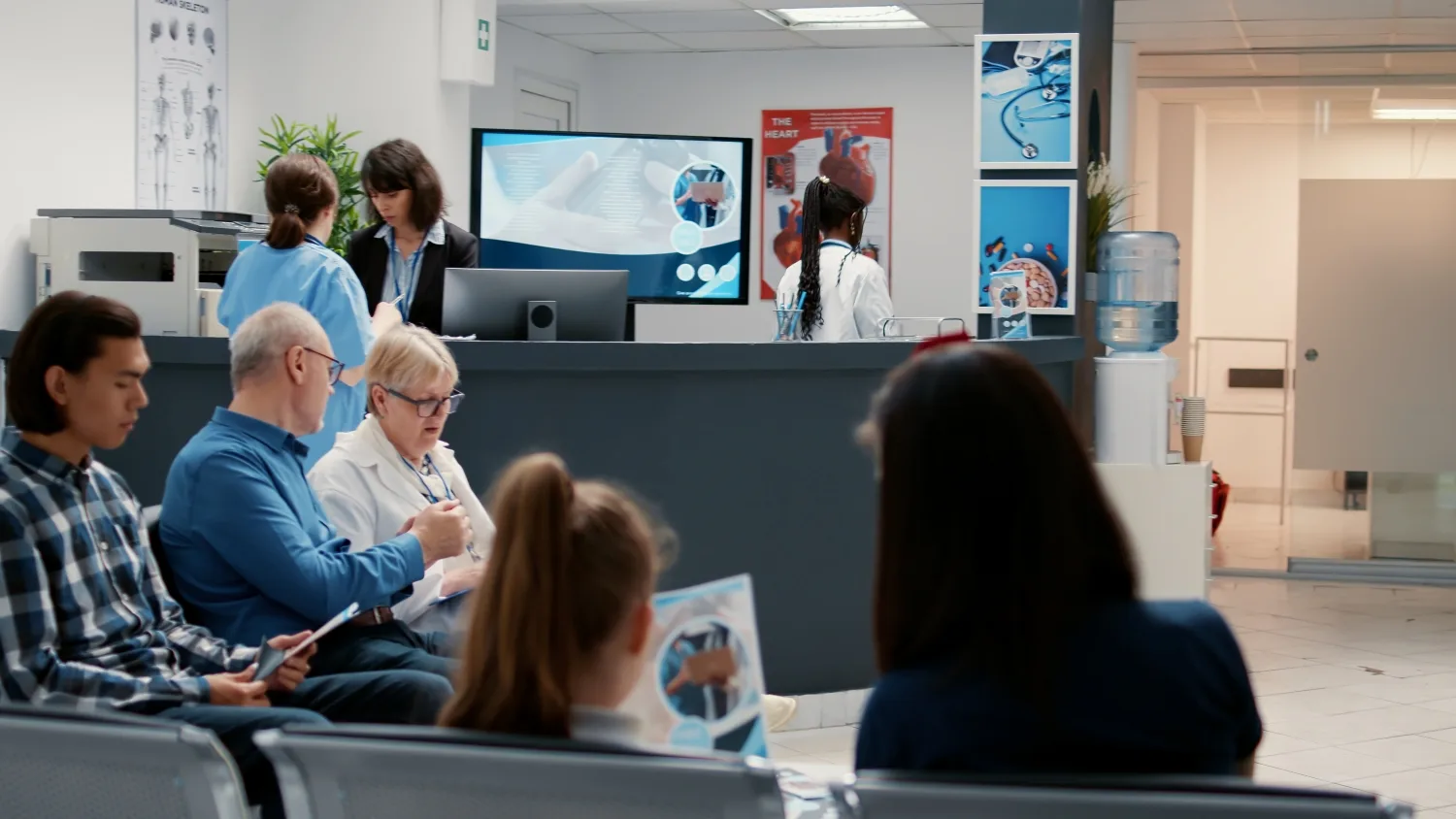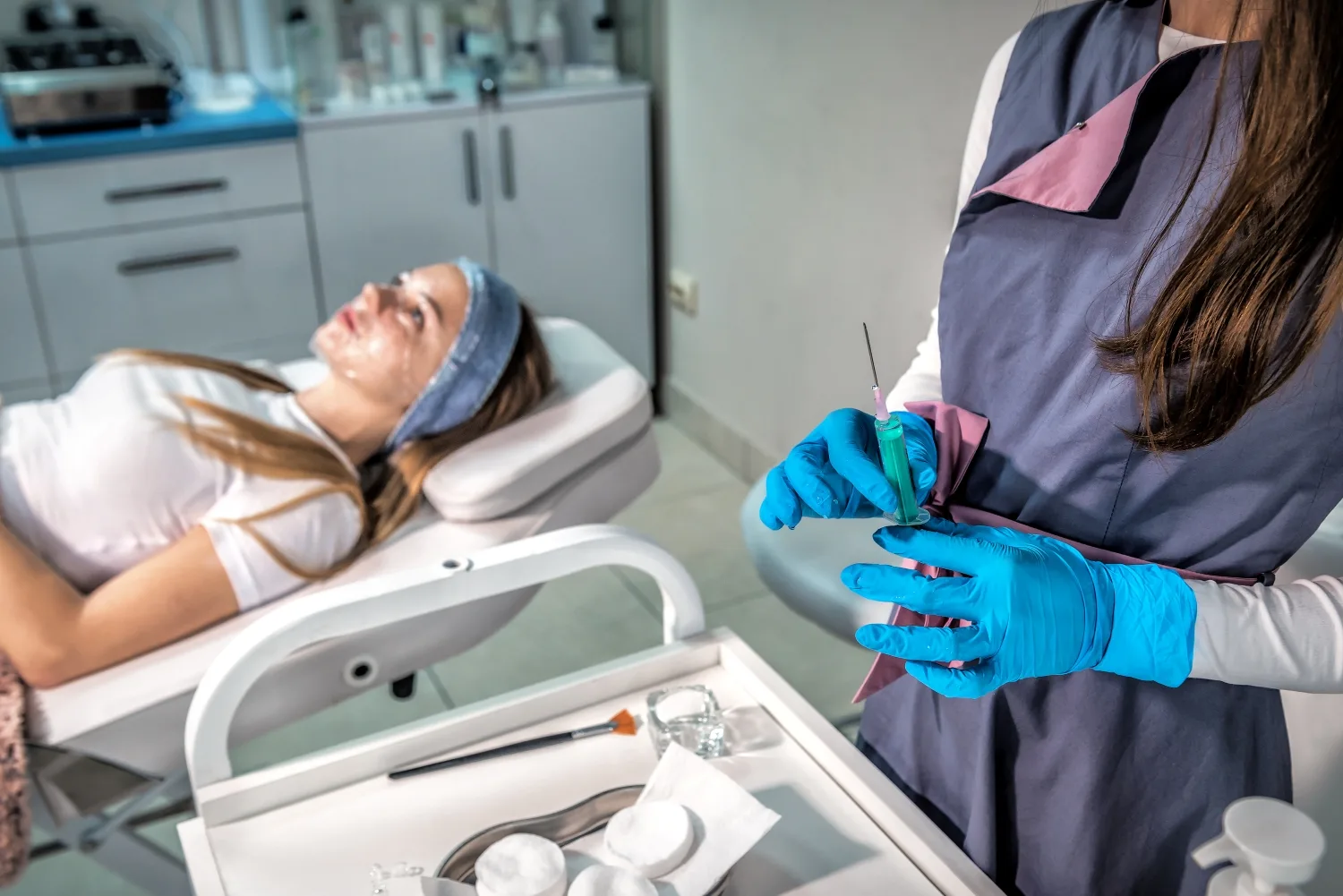
The medical aesthetics industry is experiencing talent shortages across the country. The field lacks specialized, trained staff, posing risk to the quality care, customer satisfaction, and growth goals of large and small organizations. Analyzing and addressing your organization’s staffing model and ensuring the right-sized staff are in place is becoming more and more important. This article reviews five key takeaways for owners and managers to consider as they explore staffing needs.
1. Assessing Your Current Staffing Needs
To determine staffing needs, it’s important to understand the current workflow and staff model of your medical aesthetics practice. Some productivity areas to review include the current workload distribution with the existing patient, appointment volume, and service demands. Consider calculating revenue generated by full-time equivalent (FTE) staff: What is your total annual gross revenue generated divided by the number of FTE staff? This metric can be assessed annually to determine the right size for each organization.
Determine whether there are any talent or schedule gaps by diving deep into the schedule and team. Consider surveying the team about workload distribution to gauge need.
2. Forecasting Future Demand
Understanding the state of the aesthetics industry in terms of potential market growth and trending interest in service areas will help practices uncover future demand and plan for staff needs. If you have growth goals in mind, use these to plan for the future. A key consideration in future demand is planning for the seasonality of aesthetics and ensuring staff are efficient during busier and slower times.

3. Optimizing Existing Staff
At VMG Health, we have often advise cross-training staff. A cross-trained staff creates more flexibility in workflow with teammates who can fulfill multiple roles based on demand. Incorporating technology to automate some administrative tasks can also free up existing staff, allowing them the capacity to cross-train and better support the practice. Consider surveying your team regularly to check in on satisfaction with pay, benefits, and work-life balance to proactively address any underlying staff concerns. Retaining key staff minimizes the recruitment burden and costs associated.
4. Exploring Recruitment Solutions
Once the needs of your current and future states are clear, there are many effective strategies for recruiting top talent. Consider working with an aesthetics recruiter, using job boards, and leaning on the practice’s network for hiring support. Medical aesthetics practices often find success creating an intern role for applicants seeking to enter the aesthetics field or students preparing to apply for higher education in healthcare. Some practices hire contractors for specialized support during short-term, high-demand times as well.
5. Leveraging External Resources
Ongoing networking and building lasting relationships in the industry can help when a practice is in search of top talent. Staffing agencies, training centers for specialized roles, and vendor and conference connections can also lead to ongoing talent recruitment when the need arises. This ongoing networking approach can also minimize the costs of recruitment.
Conclusion
Staffing needs remain a hot topic in medical aesthetics and taking an analytical and creative strategic approach will elevate the patient’s experience and alleviate the cost burden of hiring and training team members. To stay competitive in the every-growing medical aesthetics market, continuously evaluate your practice and the broader trends within the industry, and ensure your team can successfully adapt for efficiency and competency.
A thoughtful approach to recruiting starts with the right strategy. Connect with VMG Health’s aesthetics team to explore what’s possible for your practice.